



Linux
We all know that Linux is awesome, but here's a list of especially awesome things related to the Linux ecosystem.
You might also want to check awesome-c, awesome-shell, awesome-sysadmin, and awesome-security.
Table of Content
- Distributions
- Beginners
- Intermediate
- Advanced
- Special Purpose
- Learning Resources
- Books
- Courses
- X Desktop Environments
- GNOME
- KDE
- Xfce
- LXDE
- Other Desktop Environments
- X Windows Managers
- Applications
- GUI-based Applications
- Console-based Applications and Tools
- Useful Websites
- License
Distributions
Distributions are organized into three different categories: for beginners, for intermediate users and for advanced users. In those categories, the distributions are organized in the alphabetical order.
Beginners
elementary OS
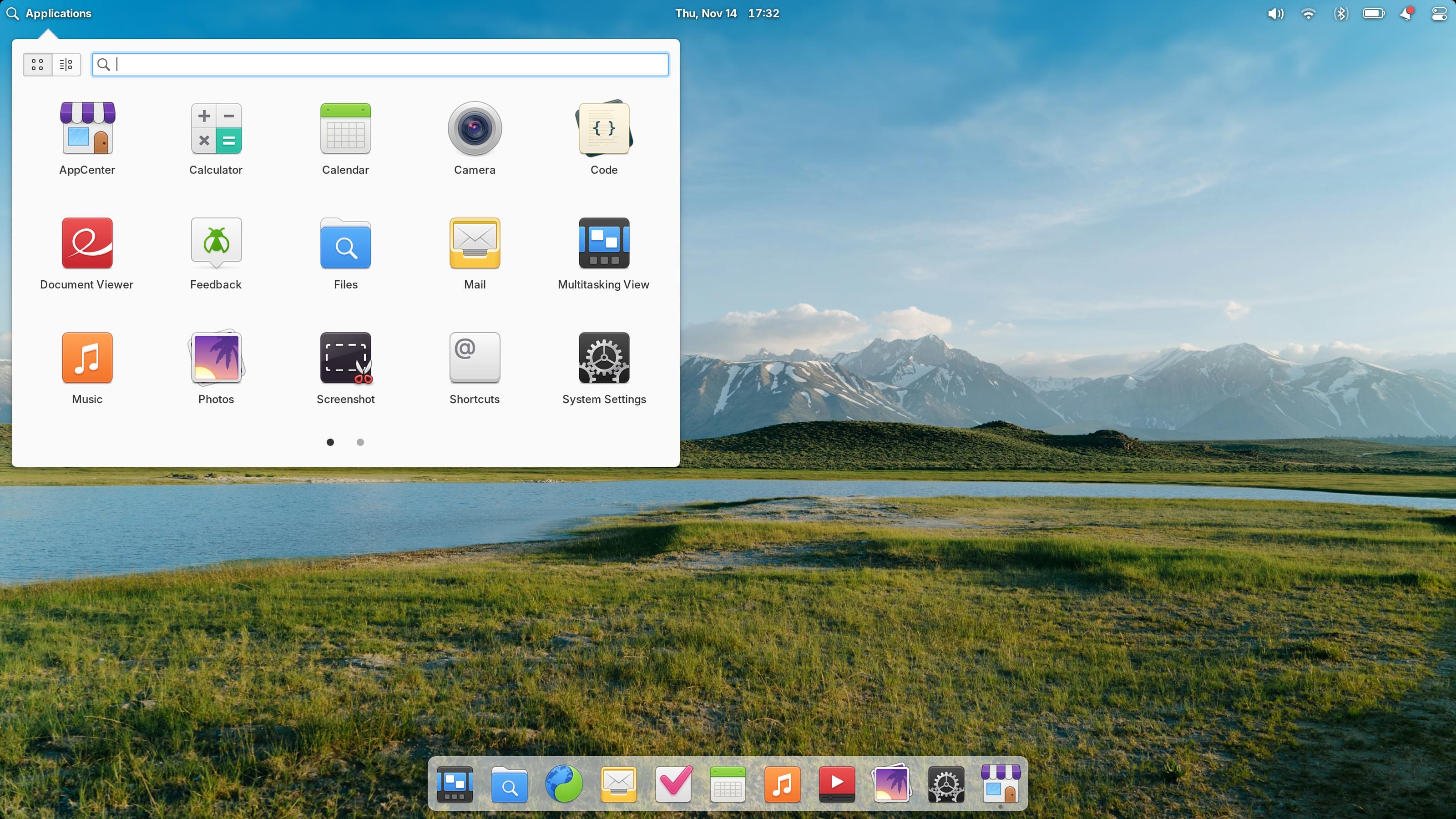
elementary OS is an Ubuntu-based desktop distribution. Some of its more interesting features include a custom desktop environment called Pantheon and many custom apps including Photos, Music, Videos, Calendar, Terminal, Files, and more. It also comes with some familiar apps like the Epiphany web browser and a fork of Geary mail.
Latest version: elementary OS Juno (5.0)
Default Desktop Environment: Pantheon
Fedora
Fedora (formerly Fedora Core) is a Linux distribution developed by the community-supported Fedora Project and owned by Red Hat. Fedora contains software distributed under a free and open-source license and aims to be on the leading edge of such technologies. Fedora has a reputation for focusing on innovation, integrating new technologies early on and working closely with upstream Linux communities. The default desktop in Fedora is the GNOME desktop environment and the default interface is the GNOME Shell. Other desktop environments, including KDE, Xfce, LXDE, MATE and Cinnamon, are available. Fedora Project also distributes custom variations of Fedora called Fedora spins. These are built with specific sets of software packages, offering alternative desktop environments or targeting specific interests such as gaming, security, design, scientific computing and robotics.
Latest version: Fedora Twenty Nine (29)
Default Desktop Environment: GNOME
Linux Mint
Linux Mint is an Ubuntu-based distribution whose goal is to provide a more complete out-of-the-box experience by including browser plugins, support for DVD playback, Java and other components. It also adds a custom desktop and menus, several unique configuration tools, and a web-based package installation interface. Linux Mint is compatible with Ubuntu software repositories.
Latest version: Linux Mint Tessa (19.1)
Default Desktop Environment: Cinnamon and MATE
Ubuntu
Ubuntu is a complete desktop Linux operating system, freely available with both community and professional support. The Ubuntu community is built on the ideas enshrined in the Ubuntu Manifesto: that software should be available free of charge, that software tools should be usable by people in their local language and despite any disabilities, and that people should have the freedom to customise and alter their software in whatever way they see fit. "Ubuntu" is an ancient African word, meaning "humanity to others". The Ubuntu distribution brings the spirit of Ubuntu to the software world.